— SERVICE
Forestry Mulching in Eastern NC
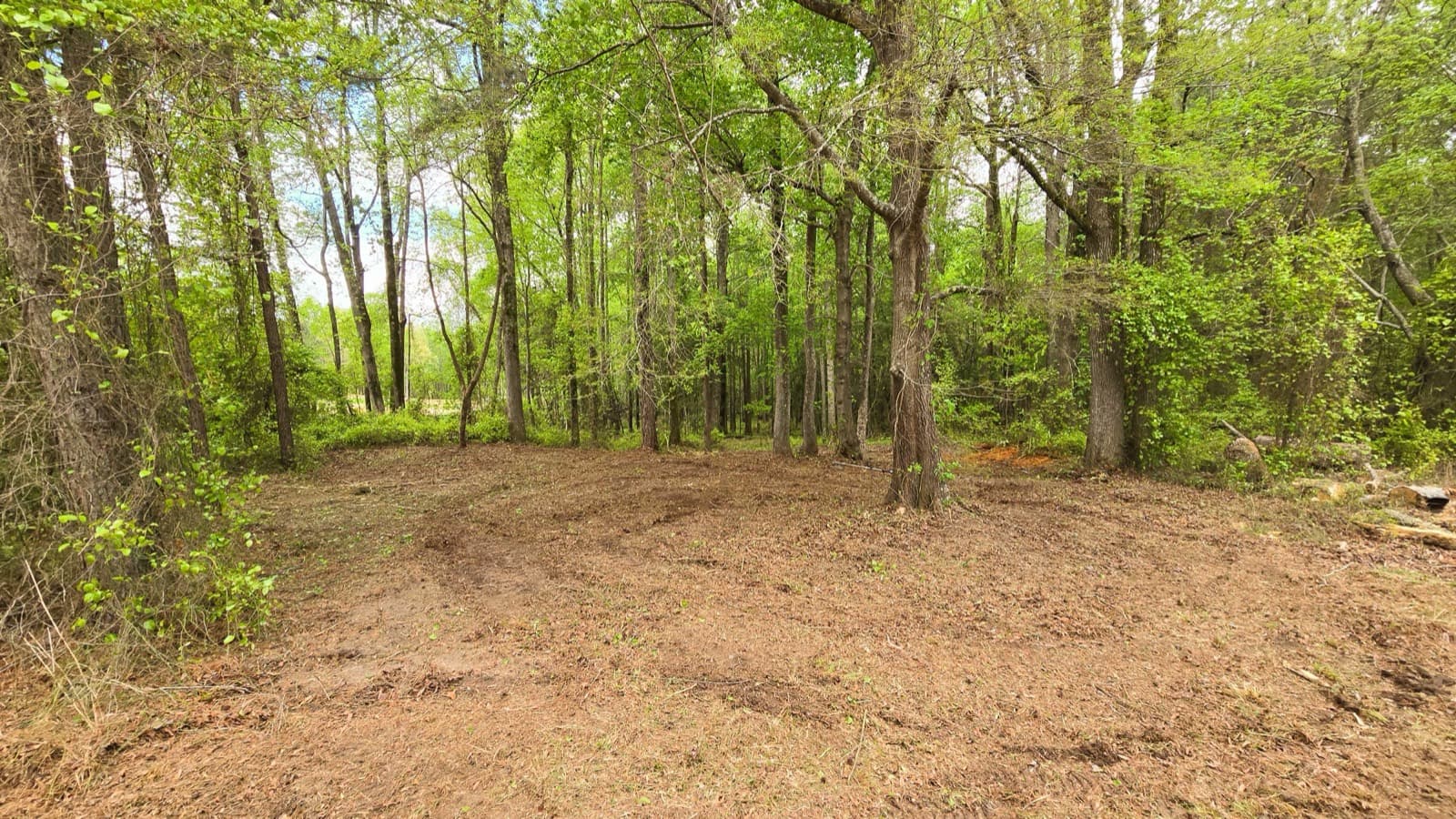
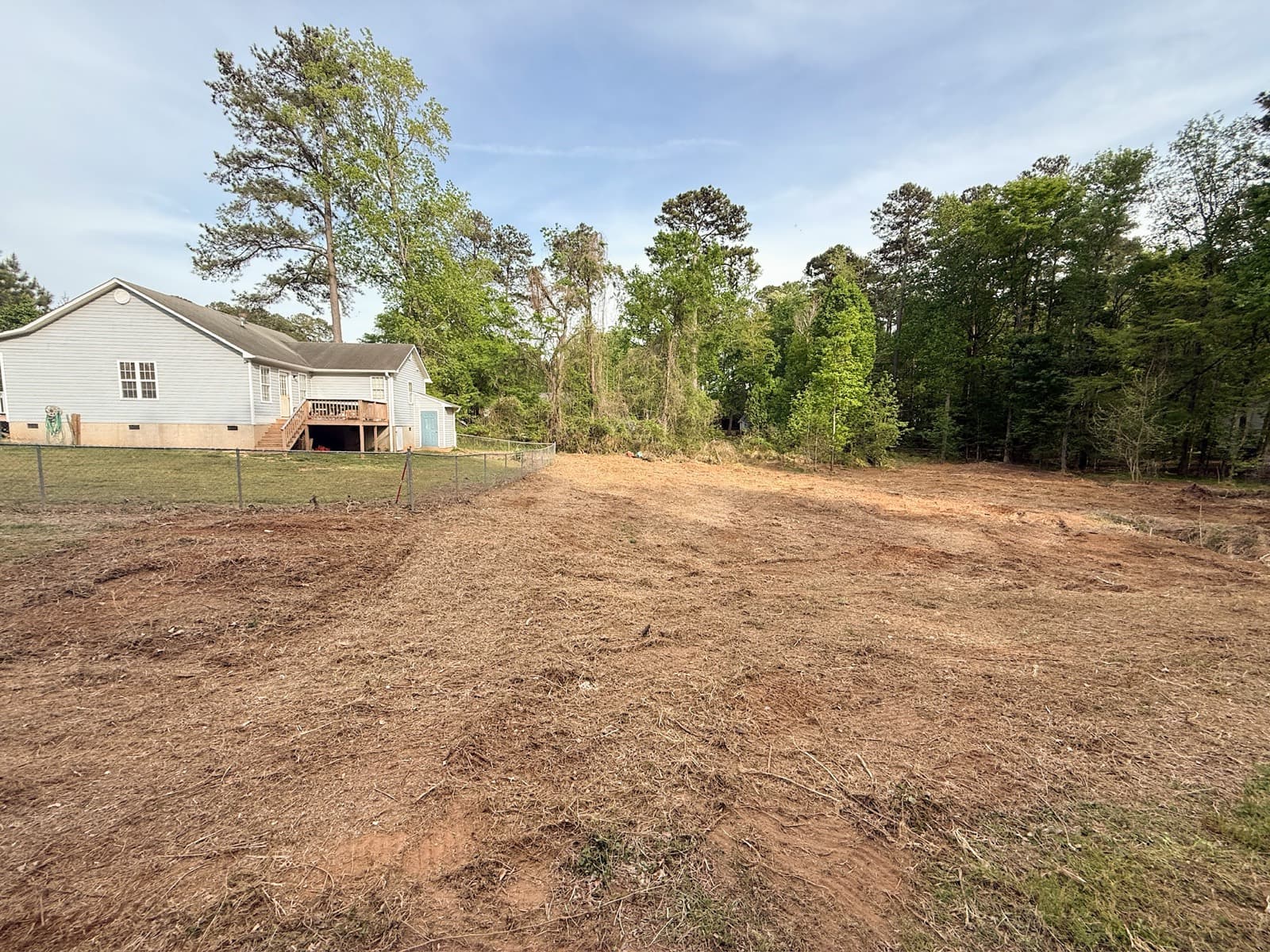
Forestry mulching is one of the cleanest and most efficient ways to reclaim overgrown land without pushing everything into piles or tearing up the property with a bulldozer. Wildwood Eco Solutions uses compact track equipment and a forestry mulching head to grind brush, vines, saplings, and small trees into a natural mulch layer right where they stand.
This service is a good fit for landowners who want to open up acreage, improve access, clean up hunting land, reclaim a backyard, or make a property easier to walk and maintain. Instead of hauling off every limb and stump, forestry mulching leaves behind a protective layer of mulch that helps reduce erosion, suppress regrowth, and give the property a finished, natural look.
We focus on practical, selective clearing — not just chewing through everything in sight like a caffeinated beaver with a credit card.
— HOW IT WORKS
What it looks like
A forestry mulching job usually starts with walking the property, identifying the areas to clear, and talking through what should stay and what should go. If property lines are not clearly marked, we can use available tools like phone GPS or mapping apps to get close, but a survey or marked boundary is the only way to know an exact property line.
Once the work area is clear, the machine moves through the site and mulches vegetation in place. Brush, briars, vines, saplings, small trees, and many fallen trees can usually be processed directly into the ground. Larger trees, wet areas, steep slopes, buried debris, fences, wire, trash, and structures may require a different approach or may be excluded from the scope.
Most smaller jobs can be completed in a day or two. Larger acreage, thick growth, heavy debris, wet ground, or steep terrain can take longer. When we visit the site, we look at density, access, slopes, ground conditions, tree size, and what kind of finished result you're expecting before giving a final price.
— WHEN IT FITS
When it's the right call
Forestry mulching is usually a good fit when you want to:
- Reclaim overgrown property without full excavation
- Open up woods, trails, or hunting land
- Clear brush, vines, briars, saplings, and small trees
- Improve visibility and access around your land
- Clean up a property before selling, building, fencing, or maintaining it
- Reduce overgrowth while leaving some mature trees in place
- Avoid large burn piles or major haul-off costs
- Leave a natural mulch layer instead of bare disturbed soil
— WHEN IT DOESN’T
When it's not the right call
Forestry mulching is not always the right answer. If you need stumps fully removed, roots grubbed out, land graded smooth for construction, or large hardwoods taken down and hauled away, traditional clearing, excavation, tree service, or grading may be a better fit.
It is also not the best option if you need exact clearing along an unmarked property line. Phone GPS and mapping apps are useful for general guidance, but they are not a substitute for a marked survey. If the boundary matters down to the foot, the property line needs to be flagged before we start.
If you have large trees you want preserved, wet areas, drainage ditches, steep slopes, or sensitive buffers, we'll talk through those before the work begins. Sometimes the best recommendation is to leave an area alone, come at it differently, or bring in another trade. That may not sound fancy, but it beats making a mess and pretending it was “part of the plan.”
— WHAT IT COSTS
Pricing
Forestry mulching cost depends on access, acreage, tree size, vegetation density, terrain, debris, wet ground, and the level of finish you want. Light overgrowth is much faster to clear than thick saplings, vines, briars, and fallen trees.
$1,200–$4,800
As a general range, forestry mulching may run anywhere from $1,200 to $4,800 per acre depending on density and site conditions. Smaller jobs may be priced at our $1,200 minimum rather than a strict per-acre rate. The best way to get a realistic number is to use our instant pricing tool for a ballpark range, then schedule a site visit so we can confirm the scope before final pricing.
— GALLERY
Recent work
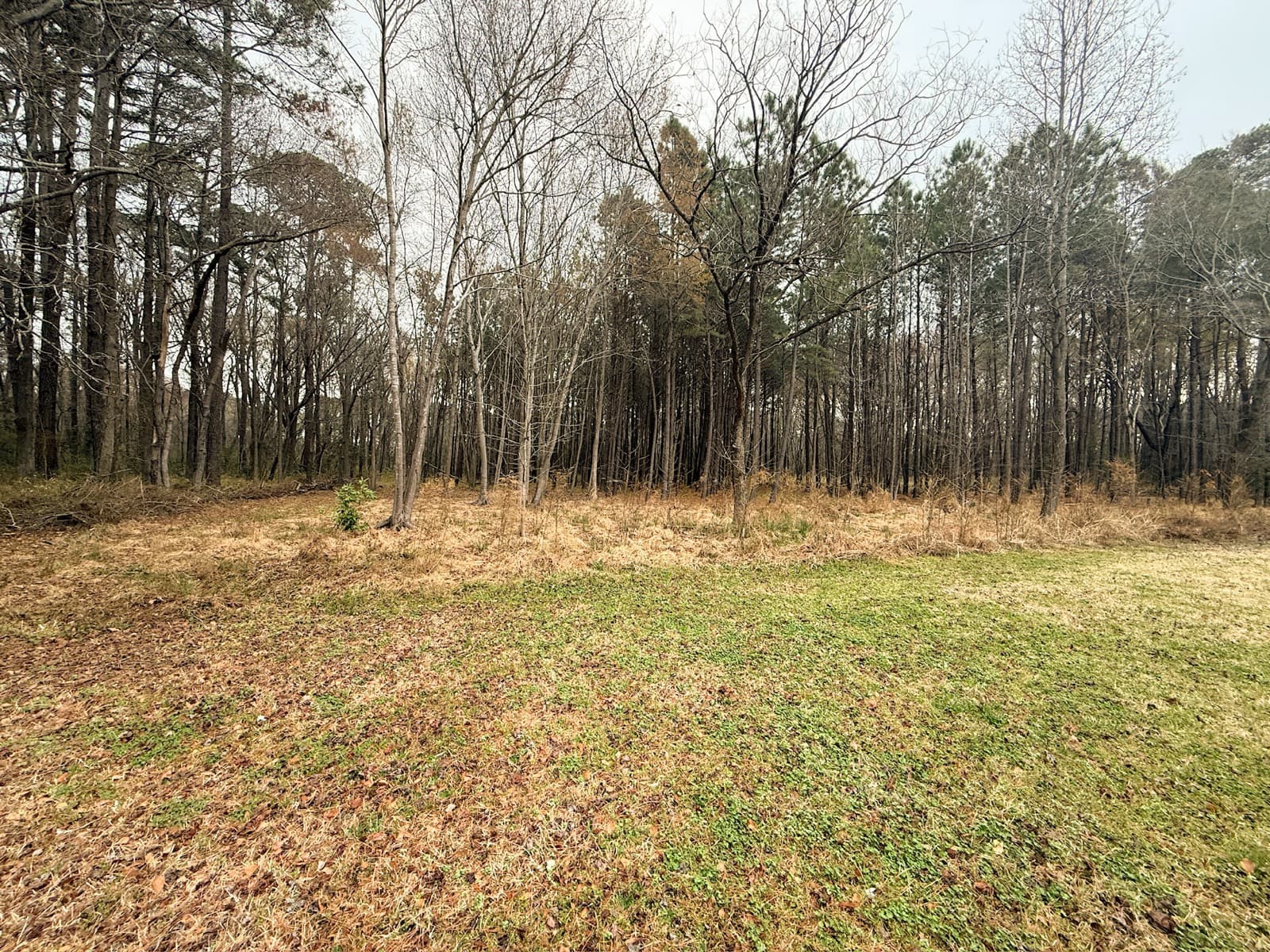 BEFORE
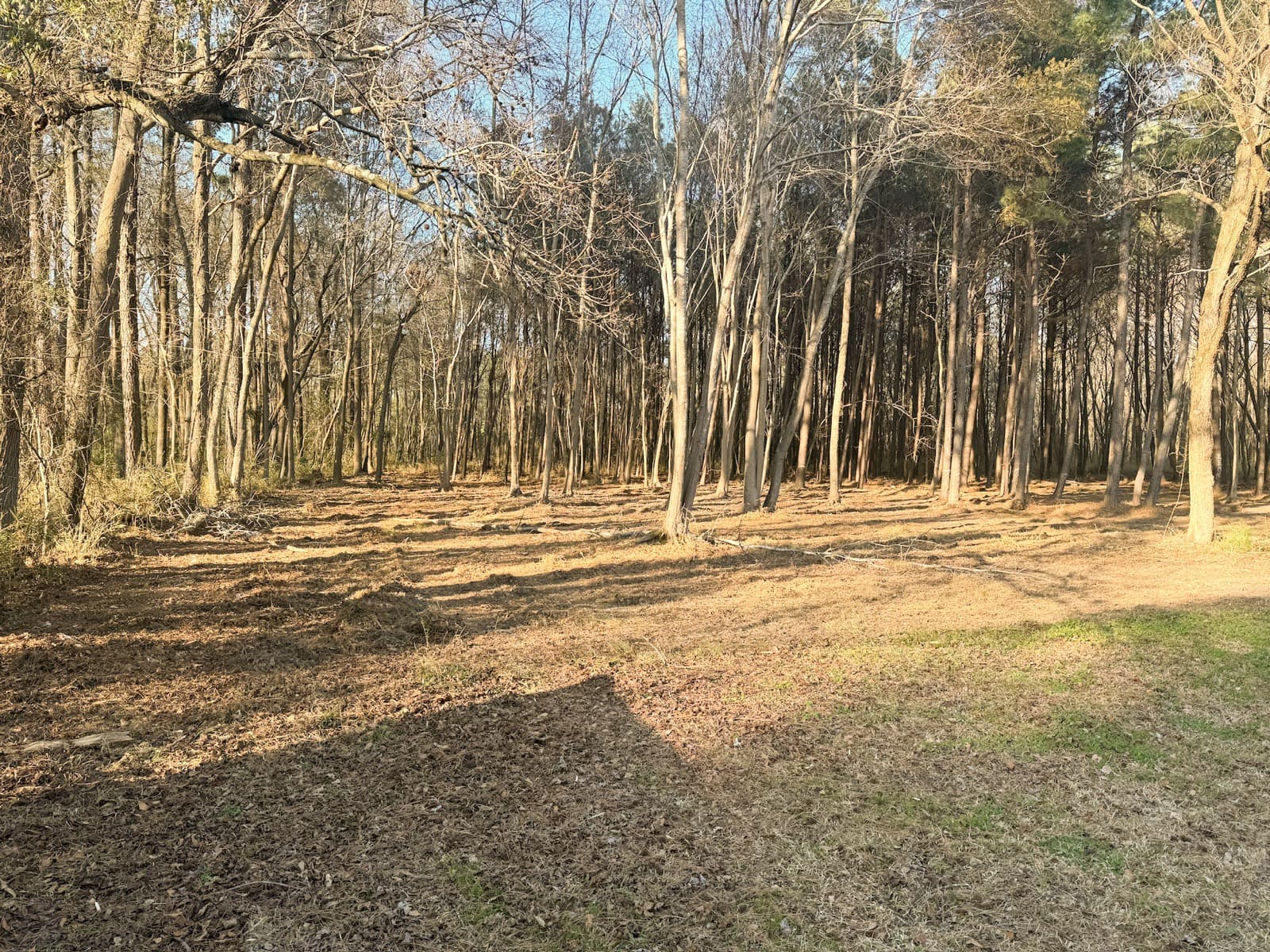 AFTER
AFTER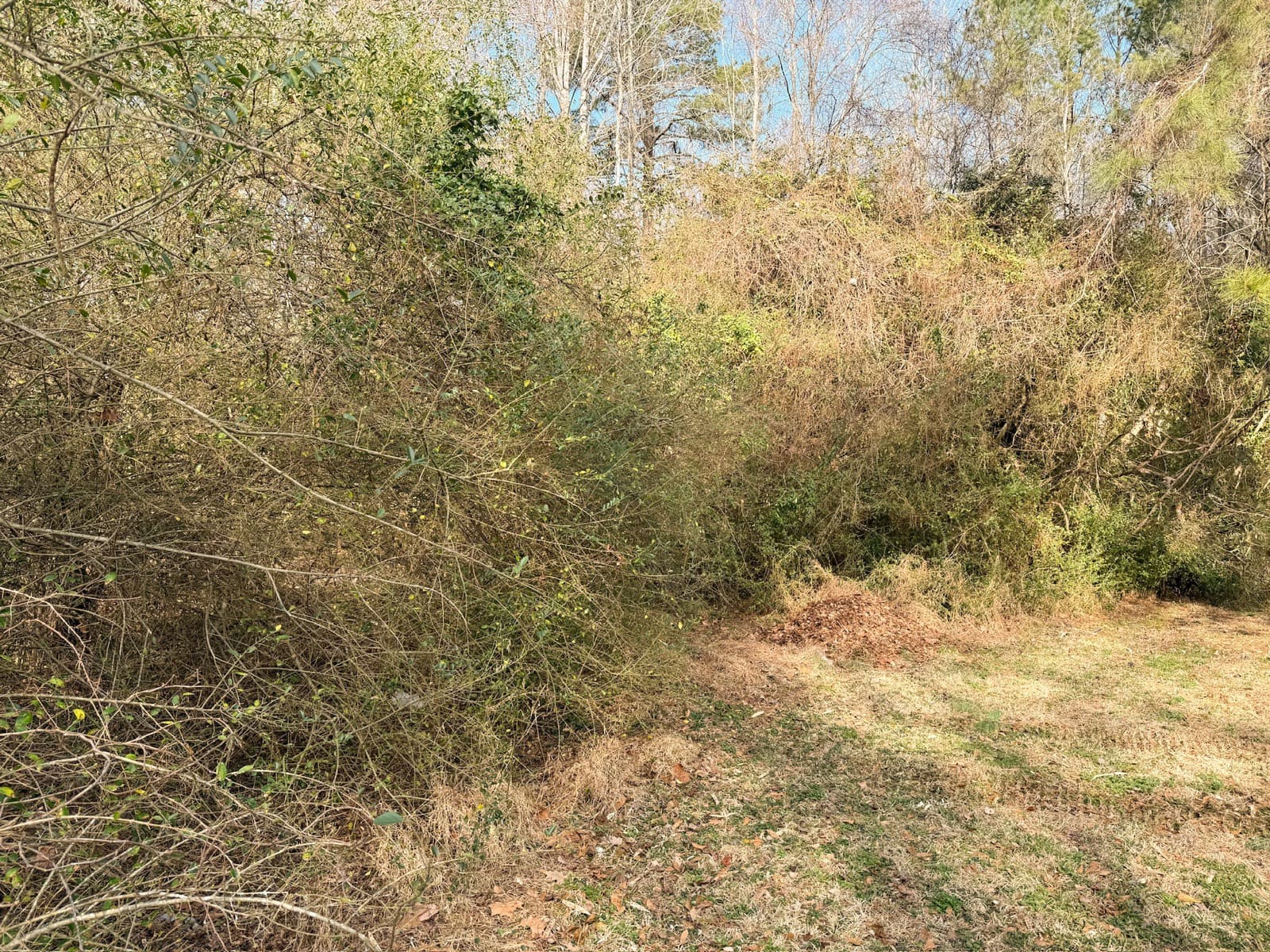 BEFORE
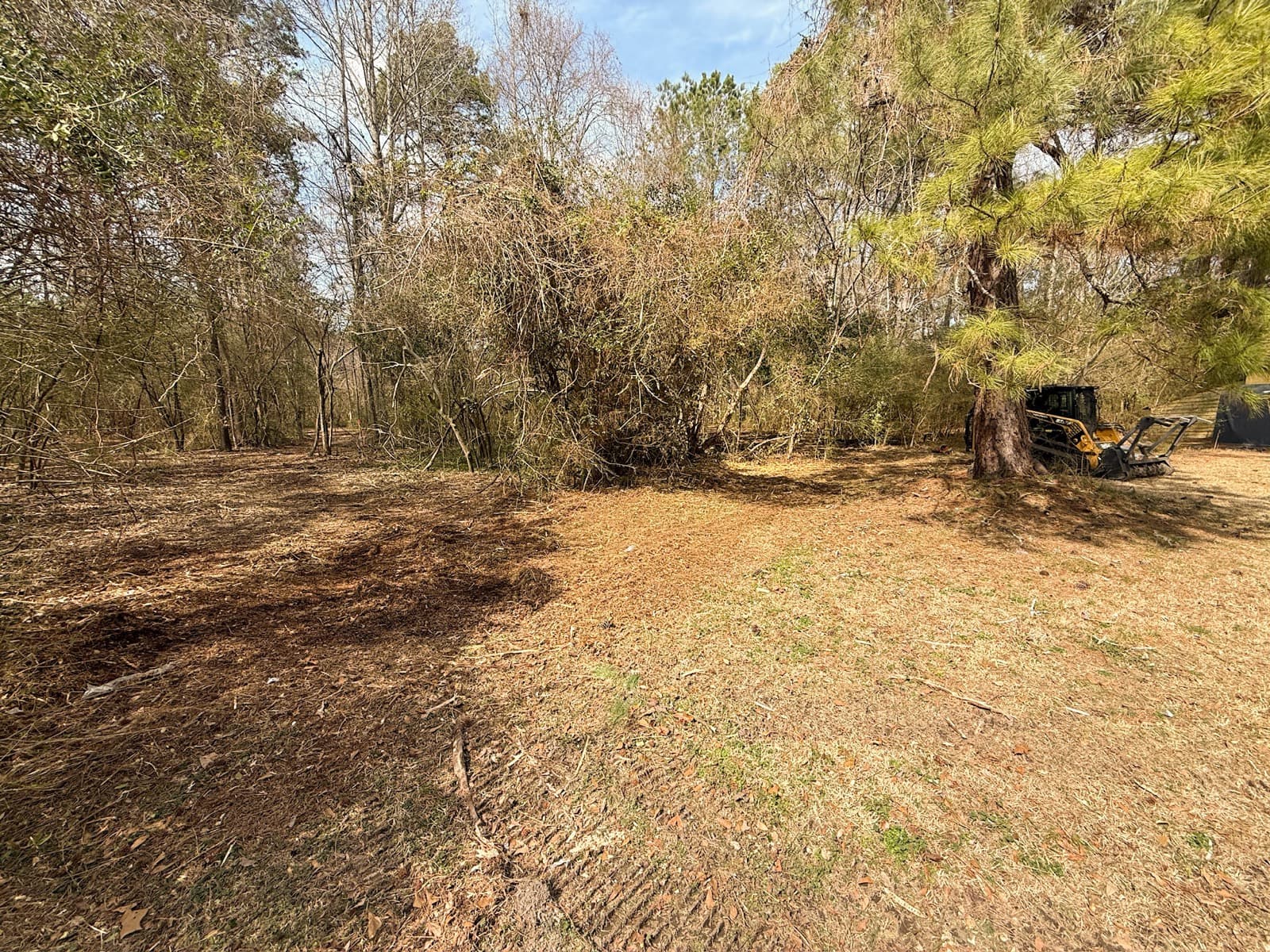 AFTER
AFTER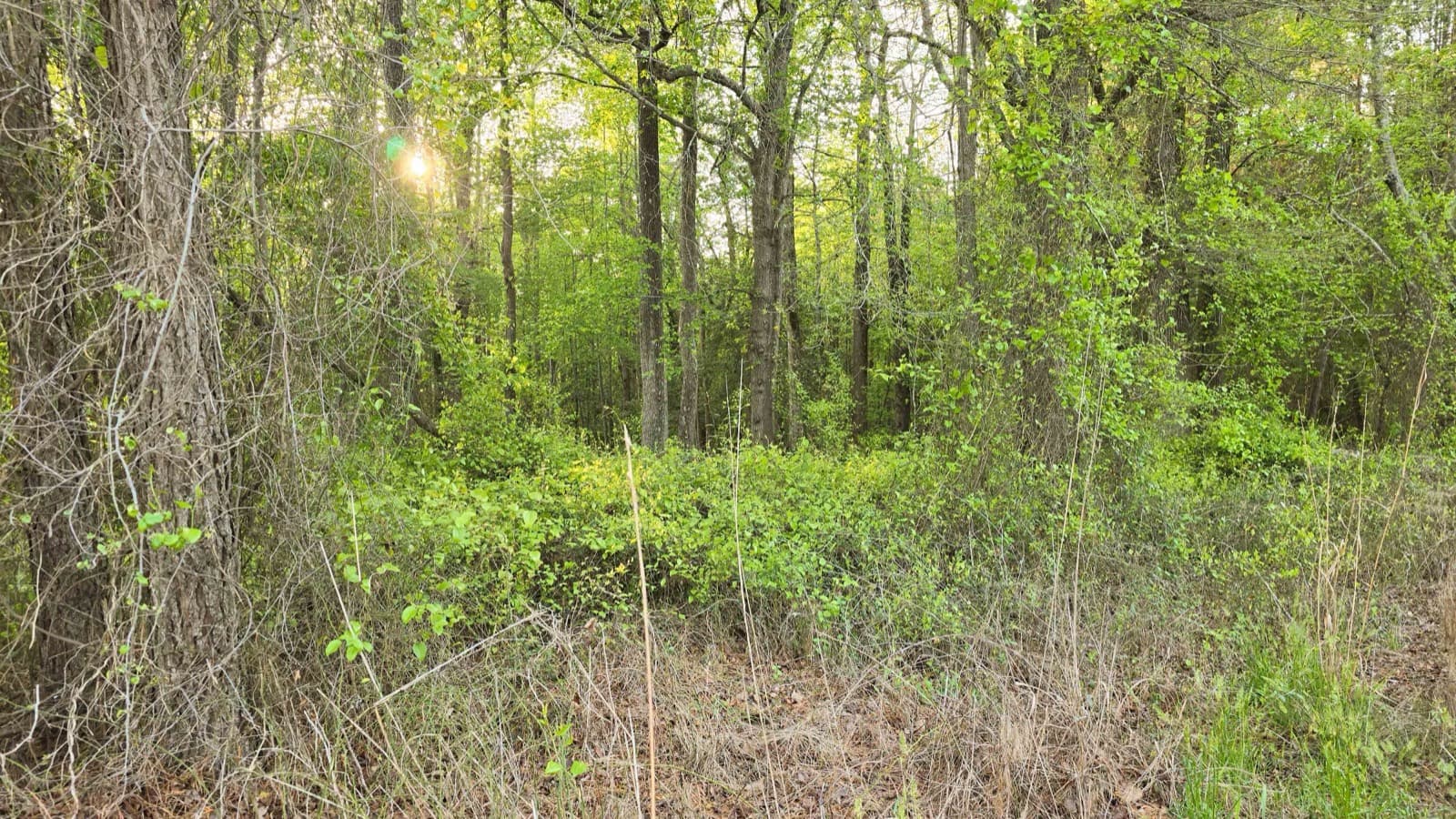 BEFORE
 AFTER
AFTER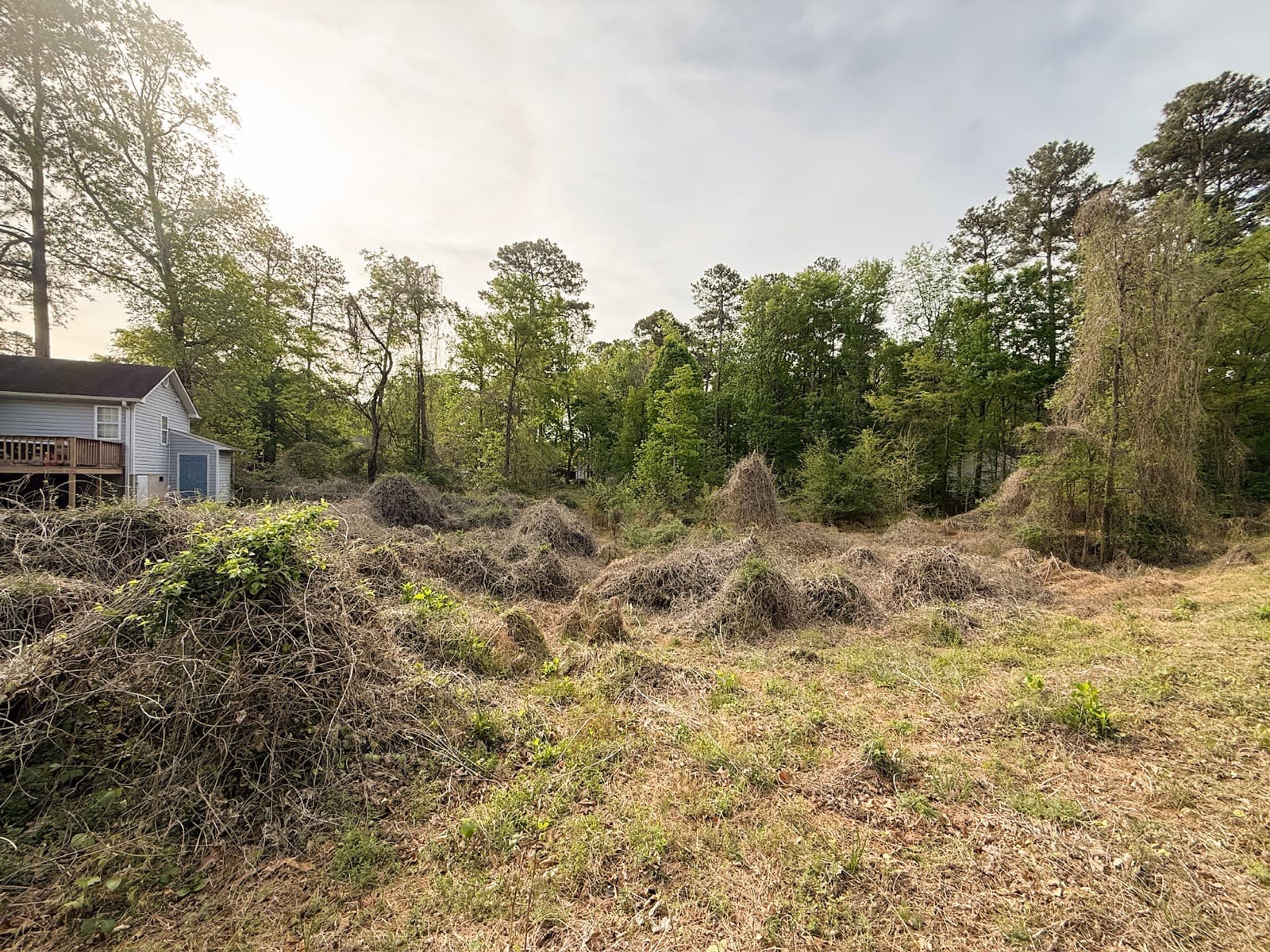 BEFORE
 AFTER
AFTER— QUESTIONS
Frequently asked
- How is forestry mulching different from clearing with a bulldozer?
- Forestry mulching grinds vegetation in place and leaves the mulch on the ground. A bulldozer typically pushes trees, stumps, soil, and debris into piles, which can disturb more ground and usually requires additional cleanup, burning, hauling, or grading. Mulching is often cleaner and less disruptive when the goal is to reclaim land rather than completely excavate it.
- Does forestry mulching kill the roots, or does it grow back?
- Forestry mulching removes the above-ground vegetation, but it does not usually remove the root system. Some vegetation can grow back over time, especially fast-growing species, vines, and invasive brush. The mulch layer can help slow regrowth, but long-term control may require mowing, spraying, follow-up cutting, or periodic maintenance.
- How long does a one-acre forestry mulching job take?
- A lightly overgrown acre may be completed in less than a day, while a thick acre with saplings, vines, briars, fallen trees, wet areas, or difficult access can take much longer. Density matters more than acreage. One acre of light brush and one acre of tangled mess are not the same animal.
- Can you mulch around standing trees we want to keep?
- Yes, in many cases we can selectively mulch around trees you want to keep. Before starting, we’ll identify the areas and trees that should be preserved. Keep in mind that low limbs, tight spacing, slopes, and root flare areas can limit how close equipment can safely work around a tree.
- What happens to the mulch? Do you haul it off?
- The mulch is typically left on site as a natural ground cover. That is one of the main benefits of forestry mulching. It reduces haul-off, helps protect the soil, and gives the cleared area a more finished look. If you need debris hauled away, that is usually a separate service and should be discussed before the job is priced.
— SERVICE AREA
We work across eastern NC
Wildwood Eco Solutions provides forestry mulching and land clearing services across Nash County and surrounding areas of Eastern North Carolina.
Towns and communities
Rocky Mount, Nashville, Wilson, Tarboro, Greenville, Goldsboro, Wake Forest, Spring Hope, Red Oak, Battleboro, Bailey, Middlesex, Elm City, Sharpsburg, Dortches, Castalia, and surrounding rural areas.
Counties we commonly serve
Nash County, Edgecombe County, Wilson County, Halifax County, Franklin County, Johnston County, Wake County, Wayne County, Pitt County, Greene County, and Martin County.
For projects outside these areas, reach out anyway. If the job is a good fit, we may still be able to help.
— GET STARTED
Ready to reclaim your land?
Start with our instant pricing tool to get a ballpark range for your project. Then we can schedule a site visit, walk the property, confirm the scope, and give you a clear quote before any work begins.